
Ever pondered why your quick breakfast bite occasionally leads to a race against time to the nearest restroom?
Well, it’s time to decode the mysteries of those fiber-rich, gluten-laden circles of joy that stealthily dictate our bathroom timetables.
From the high-speed transit provided by whole grains to the unpredictable twists and turns courtesy of gluten, this exploration promises a humorous, yet informative, deep dive into the gastrointestinal saga that unfolds post-bagel indulgence.
Brace yourselves for a journey that’s equal parts education and amusement, revealing the hidden dynamics of digestion one bagel bite at a time…
Understanding the Quickened Digestion Process After Eating Bagels
Bagels, those doughy rings of delight that have a unique way of kick-starting our mornings, may also have a surprising effect on our digestive system. Have you ever found yourself wondering, “Why do bagels make me poop?” Well, you’re not alone, and there’s a science to this doughy phenomenon.
The Role of Fiber in Digestion
Fiber is a plant-based nutrient that plays a crucial role in the health of our digestive system. It comes in two forms: soluble and insoluble. While soluble fiber dissolves in water and helps to soften stool, insoluble fiber does not dissolve, adding bulk to the stool and helping it pass more quickly and easily. Especially those made with whole grains like whole wheat bagels (even if it’s a mini bagel), contain a significant amount of fiber, which could explain the dash to the bathroom post-consumption.
Understanding the Quickened Digestion Process After Eating Bagels
Bagels, those doughy rings of delight that have a unique way of kick-starting our mornings, may also have a surprising effect on our digestive system. Yes, bagels may make you feel sick and here’s why. Have you ever found yourself wondering, “Why do bagels make me poop?” Well, you’re not alone, and there’s a science to this doughy phenomenon.
The Role of Fiber in Digestion
Fiber is a plant-based nutrient that plays a crucial role in the health of our digestive system. It comes in two forms: soluble and insoluble. While soluble fiber dissolves in water and helps to soften stool, insoluble fiber does not dissolve, adding bulk to the stool and helping it pass more quickly and easily. Bagels, especially those made with whole grains, contain a significant amount of fiber, which could explain the dash to the bathroom post-consumption.
How Whole Grains Affect Gastrointestinal Transit
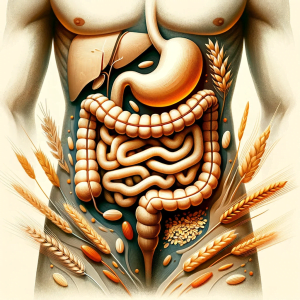
When bagels are made with whole grains, they retain all parts of the grain, including the fiber-rich outer layer known as bran. This bran is the express train of the digestive tract, speeding up gastrointestinal transit time. Whole grain bagels, with their additional fiber, can noticeably increase the pace at which your digestive system works, hence the more frequent bathroom breaks.
Gluten’s Impact on Bowel Movements
Gluten, a protein found in wheat, barley, and rye, and consequently in many bagels, can also play a part in your body’s increased eagerness to expel waste. For those with gluten sensitivity or celiac disease, gluten can cause a range of digestive disruptions, from constipation to diarrhea.
Can Bagels Cause Diarrhea?
To avoid diarrhea when eating bagels, pick whole-grain options to support better digestion and fiber intake. Stay away from high-fat toppings like:
- Cream cheese
- Sugary spreads that can upset sensitive stomachs like jams and jellies.
- High salt add-ons like Lox, especially if you’re allergic or could be.
- Other refined carbs in your diet while you’re also eating lots of yummy bagels.
If you’re lactose intolerant, go for dairy-free alternatives like almond or soy-based cream cheese. Make sure the bagels are fresh because stale or poorly stored baked goods can carry bacteria that may cause stomach issues.
Drinking plenty of water while eating also helps digestion and prevents diarrhea.
Do Bagels Make You Constipated?
According to Miller and Stanner (2016), white bread, including similar products such as sourdough and pitta bread, is “easily broken down during digestion” due to its high glycemic index (GI), which promotes rapid carbohydrate absorption.
The study further explains that the rate of carbohydrate digestion can vary depending on the bread’s composition, with wholemeal and fiber-enriched variants having a “lower GI” and thus slower digestion.
The rapid digestion of white bread, due to its refined nature, often results in less dietary fiber intake, which can negatively impact gastrointestinal health.
Relating this to bagels, which are typically made from refined wheat flour, the low fiber content may lead to slower bowel movements and potential constipation.
As noted in the study, “the GI and fiber content play a critical role in modulating digestive health” (Miller & Stanner, 2016). Therefore, bagels, being similar to white bread in composition, may contribute to constipation due to their lack of dietary fiber, which is essential for promoting regular bowel movements.
What’s Behind the Laxative Effect of Bagels?
Bagels can sometimes feel like they have a built-in laxative, sending you on a sprint to the restroom. But what ingredients cause this gastrointestinal glee or gloom?
Exploring the Ingredients: Fiber and Gut Health
Beyond just whole-grain bagels and the bread behind the ingredients used to make them, the seeds and nuts that often top bagels can also be high in fiber.
Sesame seeds, poppy seeds, and the grains in the “everything” mix contribute to the overall fiber content, and thus to the bagel’s laxative effect.
The Presence of Probiotics in Plain Bagels
Probiotics, the good bacteria that aid digestion, are not naturally present in plain bagels. However, when eaten with toppings like cream cheese containing live cultures, or paired with a side of yogurt, it’s a different story. These probiotic-rich companions can enhance gut health and regularity.
Food Intolerance and Bowel Movement Frequency
If you find yourself running to the restroom after a bagel, it might be a sign of food intolerance. Ingredients like wheat, yeast, or even certain preservatives can trigger digestive upset in sensitive individuals.
Wheat and Its Gastrointestinal Implications
Wheat is often the main ingredient in bagels, and it’s a common culprit for gastrointestinal issues. The combination of fiber and gluten can lead to increased stool frequency, especially for those with an undiagnosed wheat sensitivity.
The Significance of Whole Grains in Your Diet
The narrative of whole grains is not just about bagels. They hold an esteemed place in our diets for very good reasons.
Whole Grains and Their Contribution to Digestive Health
A diet rich in whole grains supplies the body with necessary fiber, which has been shown to reduce the risk of heart disease, type 2 diabetes, and bowel cancer. Their role in digestive health is undeniable, helping to maintain regular bowel movements and promote a feeling of fullness.
Balancing Whole Grains with Other Dietary Fiber Sources
While whole grains are a fantastic source of fiber, they shouldn’t be your only one. Balancing your intake with fruits, vegetables, legumes, and nuts ensures a varied intake of both soluble and insoluble fibers, which support a healthy digestive system.
The Influence of Gluten on Digestive Irregularities
Gluten, though a staple in many diets, can be problematic for a substantial portion of the population.
Understanding Gluten Sensitivity and Its Symptoms
Gluten sensitivity affects individuals who experience adverse reactions to gluten but do not have celiac disease. Symptoms can include bloating, gas, abdominal pain, and changes in bowel habits, which can explain the urgent bathroom visits after eating a bagel.
How Gluten Can Lead to Constipation or Diarrhea
For some, gluten can slow down the digestive process, leading to constipation. For others, it can accelerate it, causing diarrhea. The reason for this dichotomy is not fully understood, but it highlights the complex relationship between gluten and digestive health.
The Relationship Between Gluten and Food Intolerance
When it comes to food intolerances, gluten is often a prime suspect. It’s essential to listen to your body’s signals and, if necessary, seek a professional evaluation to determine if gluten is the cause of your digestive discomfort.
The Quest for Gluten-Free Bagels
As awareness of gluten-related issues rises, the quest for gluten-free bagels gains momentum. These bagels swap traditional wheat flour for alternatives like rice or almond flour, offering a safe haven for those with gluten sensitivities.
Embracing Variety: The Spelt and Rye Twist
Some bagel enthusiasts find that switching to bagels made with spelt or rye—grains with different gluten structures—can mitigate their digestive issues while still indulging in their favorite breakfast staple.
Bagels and Their Impact on Long-term Gut Health
The love affair with bagels doesn’t just end after breakfast. Their long-term impact on our gut health is worthy of consideration.
Dietary Habits and Their Effect on the Digestive System
Our dietary habits, including our regular bagel intake, can have lasting effects on our digestive system. Moderation and variety are key to maintaining a happy and healthy gut.
The Importance of Dietary Fiber for Gut Health
Dietary fiber is vital for long-term gut health. It feeds the good bacteria in our intestines, helps maintain regular bowel movements, and can protect against various digestive disorders.
Recognizing the Signs of a Healthy vs. Unhealthy Gut
A healthy gut is characterized by regular bowel movements, absence of discomfort, and a balanced microbiome. An unhealthy gut may show signs of bloating, irregular stools, and general digestive distress. Monitoring how your body reacts to foods like bagels can be a useful gauge of your gut health.
Nurturing Your Microbiome: Beyond Bagels
While bagels can contribute to your dietary fiber intake, don’t forget about the broader picture. Eating a variety of fiber-rich foods, staying hydrated, and leading an active lifestyle are all part of nurturing a thriving gut microbiome.
The Bittersweet Symphony of Sugar and Bagels
Bagels can have added sugars, which, when consumed in excess, can disrupt your gut health. Paying attention to the sugar content in your bagel, especially in flavored varieties, is important for maintaining a balanced digestive system. In the end, bagels have more to them than meets the eye—or the taste buds. They can significantly affect our digestive processes, for better or for worse, depending on our individual tolerances and the types of bagels we choose. Understanding the role of fiber, whole grains, gluten, and dietary habits in our gut health allows us to make informed decisions. So next time you bite into that warm, toasted bagel, remember the journey it takes beyond your palate, and listen to what your body tells you after that last crumb has settled.